What Is Visa Changing for Memecoin Purchases?
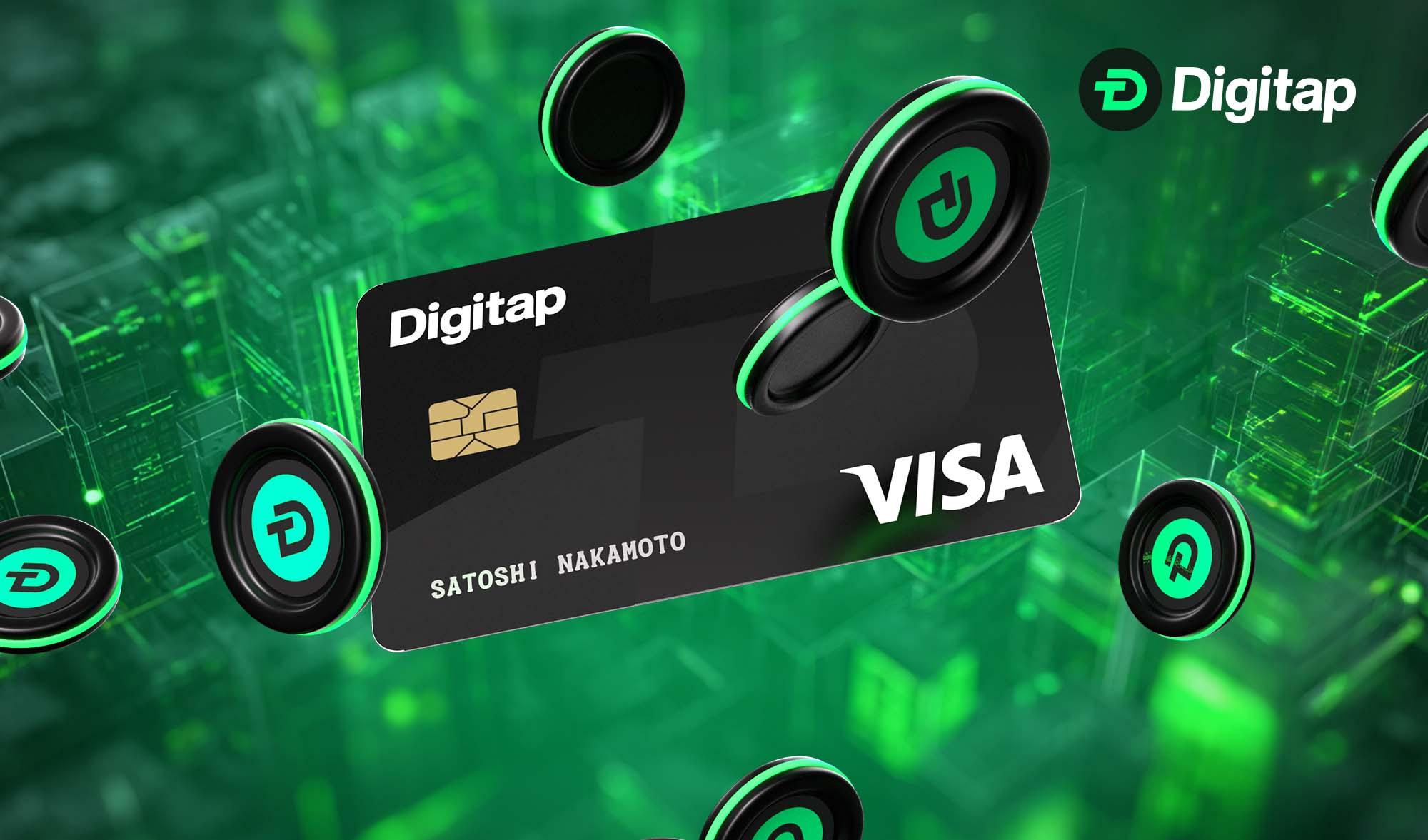
Visa is reportedly moving to stop payment processors from classifying memecoin purchases as digital media, closing a processing route that allowed some credit card users to earn ordinary points or cash back when buying crypto.
Crypto in America reported Friday that Visa has informed industry participants that merchant category code 5815, which covers digital goods and media, is not appropriate for memecoin purchases. Payment processors have reportedly been given a grace period to change how the transactions are handled, with that period expected to end next week.
The change directly affects a checkout system operated by crypto payments company Crossmint and used by Fomo and Robinhood Wallet. The transactions are processed through infrastructure that includes Checkout.com.
FinanceFeeds reported earlier this month that some Crossmint-powered purchases were appearing on card statements under MCC 5815 rather than merchant categories normally associated with cryptocurrency.
The Crossmint checkout remained available on both Fomo and Robinhood Wallet after the reported Visa instruction. The expected end of the grace period means the immediate issue is not whether the products can continue operating, but how the transactions will be categorized once processors have to treat them as crypto purchases.
Why Did Merchant Code 5815 Matter?
Merchant category codes determine how card networks and issuing banks identify transactions. MCC 5815 is generally associated with electronically delivered products such as digital books, movies, music and other media.
Crypto purchases are treated differently. Visa’s rules require direct cryptocurrency transactions to use crypto-related merchant categories and additional indicators identifying the transaction as involving digital assets.
That distinction had a direct financial consequence for cardholders. Purchases processed as ordinary digital media could receive standard credit card rewards, while cryptocurrency and other cash-like transactions are commonly excluded from rewards programs.
Chase previously challenged the treatment of at least one transaction, saying it believed the purchase had been assigned an inappropriate category and should not have earned rewards. The bank referred the matter to Visa. The New York Attorney General’s office also said it was aware of the product and reviewing the issue.
Crossmint has defended its approach. A company spokesperson said, “Crossmint maintains good standing with Visa, Mastercard, and all of our payment and card network partners.” The spokesperson added that its procedures for processing digital goods had not changed and that the company would update them if relevant guidance changed.
Investor Takeaway
The issue is less about whether users can buy memecoins with cards than how those purchases move through the payment system. Reclassifying them as crypto transactions could eliminate ordinary card rewards and introduce the restrictions, fees and compliance controls normally attached to digital asset purchases.
Does This Mean Visa Is Pulling Back From Crypto?
The reported action looks more like enforcement of payment-network classification rules than a retreat from digital assets.
Visa has been expanding its crypto infrastructure elsewhere. The company launched a stablecoin platform for banks and fintechs this year, while crypto-linked card activity has also been growing rapidly. Spending through Visa-enabled crypto cards increased sharply during 2025 as more wallets and fintech platforms connected digital asset balances with conventional card networks.
The memecoin dispute instead shows that greater crypto integration brings tighter scrutiny over exactly what type of transaction is being processed. A token being described as a collectible for one legal purpose does not necessarily determine how a card network categorizes its purchase.
That distinction became particularly relevant because Crossmint’s checkout had supported tokens beyond obvious internet-meme assets. GENIUS, the native token of a non-custodial trading platform, and DEGEN subsequently became unavailable through the Apple Pay checkout after questions were raised about how the tokens fitted the product’s eligibility criteria.
Will Mastercard Follow Visa?
Mastercard has not publicly disclosed whether it will issue similar instructions to processors. That leaves the possibility that the two major card networks could temporarily handle the same type of crypto purchase differently.
For Crossmint and other crypto on-ramp providers, however, Visa’s reported decision sets an important precedent. Card-funded token purchases increasingly sit at the intersection of crypto regulation, card-network rules, bank rewards programs and payments compliance.
If the grace period ends as expected next week, the clearest immediate change should be visible at checkout and on card statements: memecoin purchases processed through the affected Visa channels would need to be treated as cryptocurrency transactions rather than ordinary digital media.
The larger question is whether Mastercard follows the same approach. If it does, one of the easiest routes for buying memecoins by credit card while still collecting ordinary rewards could disappear across both major card networks.