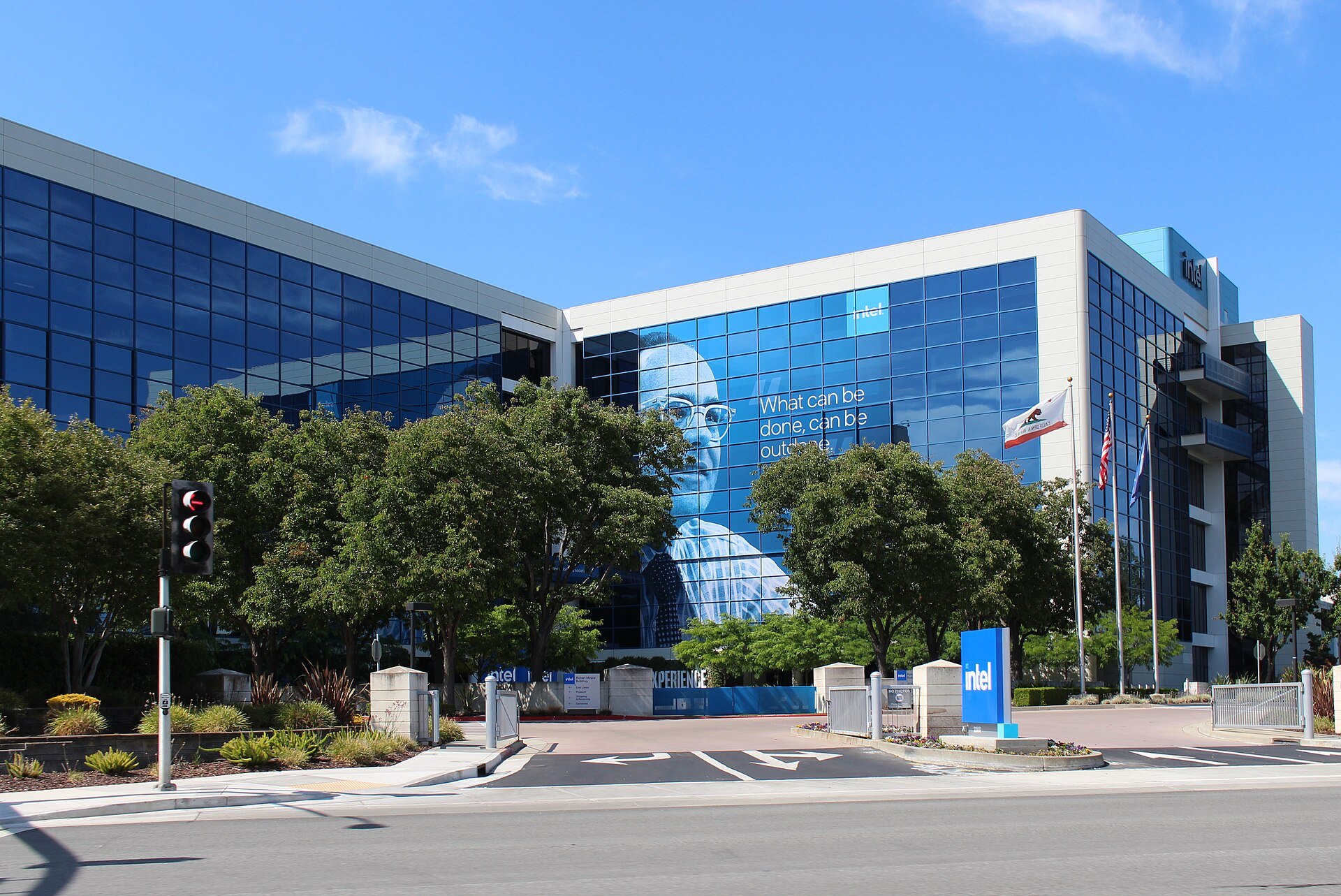
Updated 28 November 2026. Intel (NASDAQ: INTC) closed Friday 27 November at $57.40, up 5.38 percent from Wednesday’s $54.47, in a half session that ended at 1:00 p.m. ET (CNBC). That leaves the stock up 11.9 percent for the holiday week but still down 12.7 percent for November, with one trading day left in the month. Verdict: Friday’s gain was part of a broad chip rebound, and Intel’s swings this week (up 16 percent on Monday, down 8 percent on Tuesday) show the stock is still trading on sector mood more than on company news. Reference levels for the week: $62.50 above, $51.28 below.
Key facts
- Friday close: $57.40, up $2.93 or 5.38 percent; open $56.55, range $54.55-$58.38, volume about 72.3 million shares (CNBC).
- The week: $51.28 on Friday 20 November, $59.66 on Monday, $54.80 on Tuesday, $54.47 on Wednesday, $57.40 on Friday, a gain of 11.9 percent (CNBC daily data).
- November so far: down 12.7 percent from the 30 October close of $65.76 (CNBC daily data).
- Wednesday’s low: $49.16, the lowest price of the week, before the stock recovered to close almost flat.
- 52-week range: $34.95 (24 December 2025) to $142.35 (30 June 2026); Friday’s close is about 60 percent below the high (CNBC).
- Analysts: 49 analysts, consensus Hold, average 12-month target $90.42 (S&P Global via StockAnalysis).
What moved Intel on Friday
Our Friday morning Intel page had the stock at $57.08 in premarket trading. It opened at $56.55, dipped to $54.55, reached $58.38 and closed at $57.40. The gain came with the rest of the chip group: Micron rose 7.6 percent and the Nasdaq Composite 2.31 percent on the day (CNBC). Our Micron week-ahead page covers the memory side of the trade, which drove much of this week’s volatility.
Some coverage on Friday linked Intel’s move to its foundry news. On 18 November CEO Lip-Bu Tan said Intel had signed its first outside customer for its 18A manufacturing process (CNBC), and later reports said the customer signed for 18A-P, an enhanced version of the node, without naming it. Microsoft has been reported as the first publicly named customer for Intel’s EMIB chip packaging. That news is ten days old, though, and Friday’s move matched the sector, so it is hard to tie the gain to anything specific to Intel.
Why November is still a losing month
Intel started November already damaged. On 29 October the company warned that PC customers were slowing orders because of high memory prices, and the stock fell 28.6 percent the next day, from $92.07 to $65.76 (CNBC daily data). It has not been back above $65 since. The high close of the month so far was $62.50 on 11 November.
This week showed how quickly the stock reacts to the wider AI and chip trade. Monday’s 16.3 percent jump came with an Nvidia-led rally, Tuesday gave back 8.1 percent, and on Wednesday Intel fell to $49.16 before the market turned. For Intel to finish November flat, it would need to close Monday above $65.76, a 14.6 percent gain in one session.
Intel stock this week: bull, base and bear
| Scenario | Level | What has to happen | Anchor |
|---|---|---|---|
| Bear | $51.28 | The chip rebound fades and Intel gives back the week’s gain. | Friday 20 November close; about 10.7 percent below $57.40. |
| Base | $54.47-$59.66 | Intel trades inside this week’s closing range while investors wait for the jobs report. | Wednesday’s close to Monday’s close. |
| Bull | $62.50 | The sector rally extends and Intel retakes its best close of November. | 11 November close; about 8.9 percent above $57.40. |
The bear case sits below the current price. These are reference levels, not forecasts.
What to watch
- Monday 30 November: the last trading day of November and the first full session since Wednesday.
- Chip peers: Micron, Sandisk and Nvidia have set the direction for Intel most days this month.
- Friday 4 December: the November jobs report, ahead of the Fed’s 8-9 December meeting, where markets expect a rate rise.
- Foundry: any confirmation of who the 18A-P customer is, or new packaging customers.
Quick take: Intel closed the holiday week at $57.40, up 11.9 percent for the week but still 12.7 percent lower for November after the late-October PC warning. Friday’s 5.4 percent gain came with the whole chip group rather than from new Intel news. $51.28 is the downside reference and $62.50 the upside.
FAQ
What is Intel’s stock price?
Intel (INTC) closed at $57.40 on Friday 27 November 2026, up 5.38 percent, at the end of the shortened session (CNBC). US markets are closed on the weekend.
Why did Intel stock go up on Friday?
Chip stocks rebounded after the Thanksgiving break. Micron rose 7.6 percent and the Nasdaq 2.31 percent. Some reports also pointed to Intel’s recent foundry customer news.
How did Intel stock do this week?
It rose 11.9 percent, from $51.28 on 20 November to $57.40, with a 16.3 percent gain on Monday and an 8.1 percent fall on Tuesday (CNBC daily data).
Why is Intel stock down in November?
Intel warned on 29 October that PC customers were slowing orders because of high memory prices. The stock fell 28.6 percent on 30 October and is down 12.7 percent from that day’s close.
How far is Intel below its high?
About 60 percent. The 52-week high is $142.35, set on 30 June 2026 (CNBC).
What do analysts expect for Intel?
The 49 analysts tracked by S&P Global have a consensus Hold rating and an average 12-month target of $90.42 (StockAnalysis).
Sources: CNBC quote and daily price data, 27 November 2026 (closing price, range, volume, weekly and monthly changes, 52-week range); CNBC, 18 November 2026 (18A customer); S&P Global via StockAnalysis (analyst consensus); secondary reports on 18A-P and Microsoft EMIB packaging.
Disclaimer: This article is for informational purposes only and does not constitute financial or investment advice. Stock prices are volatile. Do your own research and consult a licensed financial adviser before making investment decisions.